
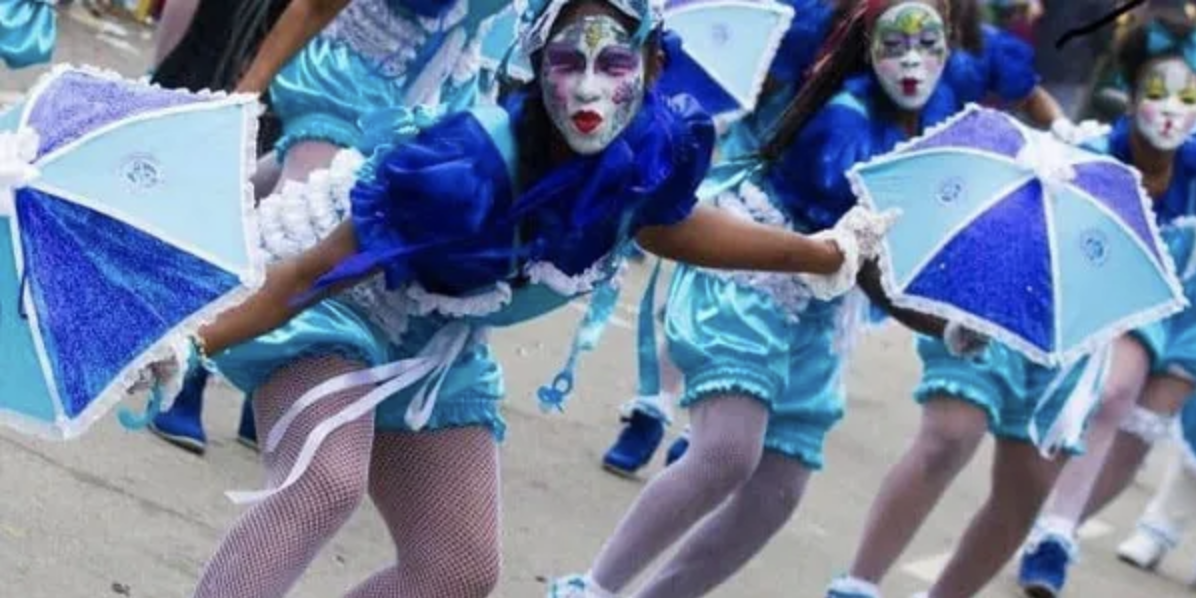
In the vibrant tapestry of New Orleans’ cultural heritage, few traditions are as colorful and captivating as the Baby Doll Ladies. This unique cultural phenomenon traces its origins back to the early 20th century, offering a blend of history, artistry, and empowerment. The Baby Doll Ladies are more than just performers; they represent a rich legacy of African American culture, resilience, and expression that continues to captivate audiences both locally and globally. Their visually arresting costumes and dynamic performances embody the spirit of New Orleans, weaving a narrative that is both timeless and ever-evolving.
Historical Roots of the Baby Doll Ladies
The tradition of the Baby Doll Ladies began in the early 1900s, amidst the backdrop of New Orleans? Mardi Gras celebrations. These women donned ornate costumes and danced through the streets, challenging societal norms and asserting their presence in the public sphere. Originally, the Baby Doll Ladies were a response to the exclusion of African American women from mainstream Mardi Gras krewes. This act of defiance and self-expression laid the groundwork for what would become a cherished cultural tradition.
Key Characteristics
- Elaborate, hand-crafted costumes featuring lace, satin, and ribbons.
- Signature parasols and bonnets that add to their unique aesthetic.
- Choreographed dance routines that blend traditional and contemporary movements.
- A commitment to celebrating and preserving African American cultural heritage.
The Resurgence and Modern Influence
In recent years, the Baby Doll tradition has experienced a resurgence, fueled by a renewed interest in cultural preservation and empowerment. This revival is largely attributed to organizations like the New Orleans Society of Dance, which play a vital role in keeping the tradition alive. These organizations offer platforms for performance, education, and community engagement, ensuring that the legacy of the Baby Doll Ladies continues to thrive.
Contemporary Impact
Today, the Baby Doll Ladies are recognized not only for their artistic contributions but also for their role in community building and empowerment. Their performances are a staple of New Orleans cultural events, including Mardi Gras, jazz festivals, and educational workshops. By celebrating their heritage, the Baby Doll Ladies inspire new generations to embrace their cultural identity and contribute to its evolution.
Embracing the Future
The future of the Baby Doll tradition looks promising, with continued efforts to expand its reach and impact. Initiatives such as workshops, performances, and collaborations with other cultural organizations are integral to maintaining the vibrancy of this tradition. To learn about our tailored solutions for cultural preservation and empowerment, visit the New Orleans Society of Dance.
Educational Opportunities
- Workshops and seminars for skill development in dance and costume design.
- Community outreach programs to engage and educate younger generations.
- Collaborations with schools and educational institutions to integrate cultural studies.
- Resources and expert strategies for cultural preservation.
The Baby Doll Ladies of New Orleans continue to enchant audiences with their timeless charm and cultural significance. Their legacy is a testament to the power of tradition, creativity, and community. For those interested in exploring advanced guides and tips on how to engage with this rich cultural practice, discover expert strategies here.