
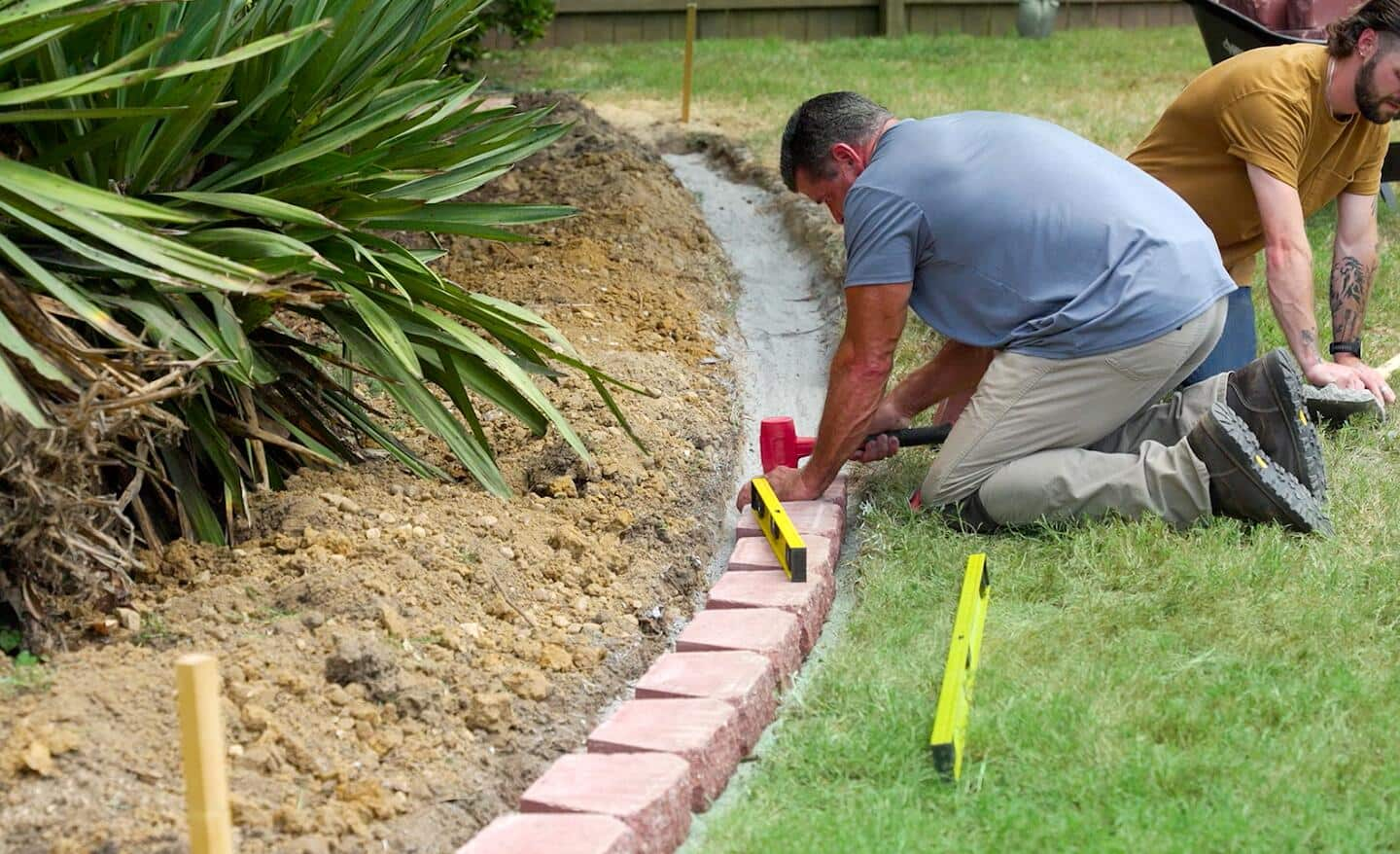
Transforming an outdoor space into a visually appealing and functional area is often a top priority for homeowners and property managers alike. A well-constructed retaining wall installation can provide both aesthetic benefits and essential structural support. Whether addressing soil erosion, creating level areas in a sloped yard, or simply adding an element of design, retaining walls offer versatile solutions for various landscaping challenges.
Benefits of Retaining Wall Installation
Retaining walls are more than just an attractive feature in a landscape. They serve practical purposes that can enhance both residential and commercial properties.
Functional Advantages
- Erosion Control: Retaining walls help in stabilizing soil and preventing erosion, especially in areas with significant rainfall or water flow.
- Improved Drainage: With proper design and construction, retaining walls can redirect water flow, minimizing water pooling and potential damage to structures.
- Maximized Space: By leveling uneven terrain, retaining walls create usable space for gardening, patios, or other outdoor activities.
- Structural Support: They provide essential support to hold back soil and prevent land shifts on sloped properties.
Aesthetic Enhancements
- Design Variety: Available in a range of materials like stone, concrete, and timber, retaining walls can complement any architectural style or personal preference.
- Height Variation: They add visual interest to landscapes by introducing different heights and textures.
- Natural Harmony: Integrating plants and gardens into retaining wall designs can harmonize the built environment with nature.
Types of Retaining Walls
Choosing the right type of retaining wall depends on the specific needs of the landscape and the desired aesthetic. Here are some popular options:
- Gravity Walls: Utilizes their own weight to hold back earth. Ideal for smaller projects or decorative purposes.
- Cantilevered Walls: An economical choice for large-scale projects, using steel-reinforced concrete slabs to bear the load.
- Sheet Piling Walls: Best for tight spaces or soft soil, these are driven into the ground to maintain stability.
- Anchored Walls: Suitable for high-load applications, using cables or other anchors for additional support.
Considerations for Installation
When planning a retaining wall installation, several factors need to be considered to ensure a successful project.
- Site Assessment: Understanding soil type, slope, and drainage requirements is crucial for selecting the appropriate wall type and materials.
- Legal Regulations: It’s important to check local building codes and regulations as some areas require permits for retaining wall construction.
- Material Selection: Consider both the functional requirements and aesthetic desires when choosing materials.
- Budget Planning: Costs can vary significantly based on materials, wall size, and complexity of design.
Steps in Building a Retaining Wall
Retaining walls can be a significant investment in a property’s landscape, and their construction should follow a series of well-planned steps:
- Design and Planning: Develop a detailed plan that includes wall layout, dimensions, and material specifications.
- Excavation: Prepare the area by excavating to the required depth and ensuring a stable foundation.
- Base Preparation: Lay a gravel base to promote proper drainage and support the wall structure.
- Wall Construction: Assemble wall units according to the design, ensuring each layer is level and secure.
- Backfilling and Compaction: Fill with soil behind the wall, compacting layers to enhance stability.
- Finishing Touches: Add capstones, plantings, or other decorative elements to complete the installation.
By considering these elements, a retaining wall installation can transform an outdoor space into a functional and beautiful part of the property. For those in North Vancouver, exploring professional services can provide further insights and ensure that the project meets all desired specifications and local requirements.