
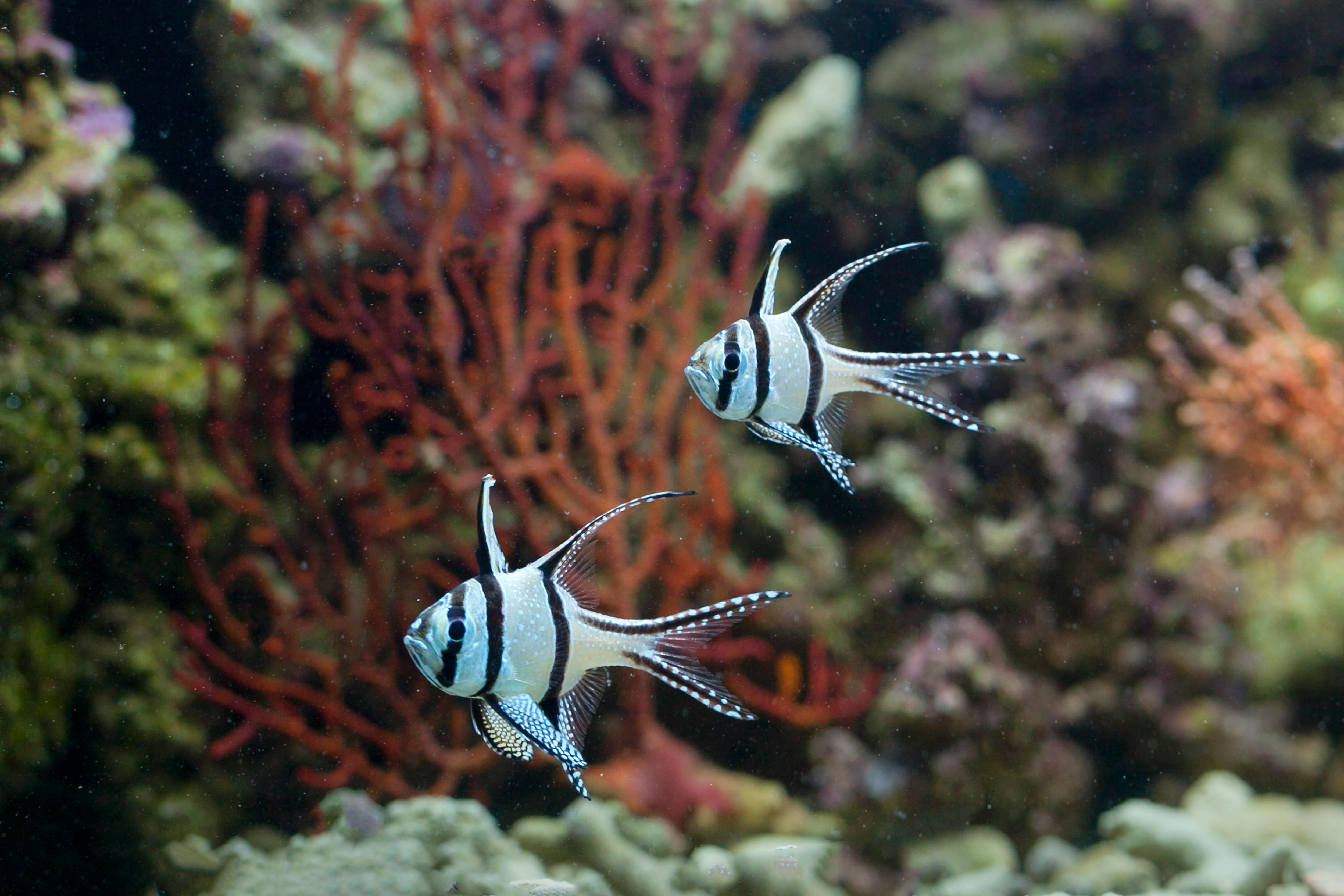
Creating a thriving aquarium in the desert climate of Arizona requires more than simply placing a tank and filling it with water. The combination of precise installation, ongoing maintenance, and an understanding of local environmental factors determines whether a marine or freshwater display will flourish for years to come. Professional aquarium installation and maintenance services bring together engineering expertise, aquatic biology, and aesthetic design to deliver ecosystems that are both visually stunning and biologically stable. By leveraging industry-leading practices, homeowners and businesses can enjoy a low-maintenance, high-impact feature that enhances property value and provides a soothing focal point in any space.
Why Professional Installation Matters in Arizona
Arizona’s extreme temperature fluctuations, low humidity, and high UV exposure present unique challenges for aquarium owners. A professional installer addresses these variables through:
- Site assessment to determine optimal placement away from direct sunlight and heat sources.
- Custom stand and cabinet design that incorporates ventilation and insulation.
- Selection of equipment (heaters, chillers, filtration) sized for local conditions.
- Integration of water-treatment systems that counteract hard water and mineral buildup.
These steps reduce the risk of temperature spikes, algae overgrowth, and equipment failure, ensuring a stable environment for aquatic life.
Key Components of a Successful Aquarium Setup
1. Structural Foundations
- Tank selection: Glass versus acrylic, thickness, and capacity based on floor load capacity.
- Support system: Reinforced frames, levelers, and vibration dampeners.
- Sealing and waterproofing: Silicone grade, edge reinforcement, and leak testing.
2. Life-Support Equipment
- Filtration: Multi-stage mechanical, chemical, and biological filters tailored to bioload.
- Temperature control: Heaters with thermostatic precision and, when needed, chillers for summer heat.
- Lighting: LED fixtures that provide the correct spectrum for plant growth or coral fluorescence while minimizing heat output.
3. Water Chemistry Management
- Testing kits for pH, ammonia, nitrite, nitrate, and hardness.
- Automated dosing systems for trace elements and supplements.
- Regular water changes using dechlorinated or reverse-osmosis water.
Maintenance Strategies for Long-Term Success
Even the most meticulously installed aquarium requires ongoing care. A structured maintenance plan keeps the ecosystem balanced and reduces the likelihood of costly repairs.
- Weekly tasks: Visual inspection, surface cleaning, and water parameter checks.
- Bi-weekly tasks: Filter media replacement, substrate vacuuming, and algae removal.
- Monthly tasks: Full water change (10-20%), equipment calibration, and health assessments of fish and invertebrates.
For a deeper dive into routine procedures, Discover expert strategies here.
Design Considerations That Elevate the Experience
Beyond functionality, a professional installation blends artistry with science. Thoughtful design choices create visual impact while supporting animal welfare.
- Thematic layouts: Biotope recreations that mimic natural habitats.
- Backgrounds and d??cor: Non-toxic, low-maintenance materials that enhance depth perception.
- Lighting choreography: Timed cycles that simulate sunrise, daylight, and moonlight.
Exploring case studies of successful designs can inspire new projects; Explore advanced guides and tips.
Choosing the Right Service Provider
When selecting a partner for aquarium installation and maintenance, consider the following criteria:
- Certified technicians with experience in both freshwater and marine systems.
- Transparent pricing that separates equipment costs from labor and ongoing service fees.
- Portfolio of completed installations that demonstrate attention to detail and client satisfaction.
- Availability of emergency support for equipment failures or water quality emergencies.
Learning more about tailored solutions can help align expectations with service capabilities; Learn about our tailored solutions.
Environmental Responsibility and Sustainability
Arizona’s water scarcity underscores the importance of responsible aquarium practices. Sustainable approaches include:
- Recirculating water systems that minimize waste.
- Energy-efficient LED lighting and low-wattage pumps.
- Use of locally sourced, renewable d??cor materials.
- Partnering with suppliers that adhere to ethical sourcing of live specimens.
For additional insight into eco-friendly methods, Find out more about this approach.
Conclusion
Professional aquarium installation and maintenance in Arizona transform a challenging climate into an opportunity for vibrant, low-maintenance aquatic displays. By addressing structural integrity, precise equipment selection, rigorous maintenance schedules, and thoughtful design, owners can enjoy a thriving ecosystem that enhances both aesthetics and well-being. Leveraging expert guidance and reliable service ensures that every tank remains a source of pride and relaxation for years to come.