
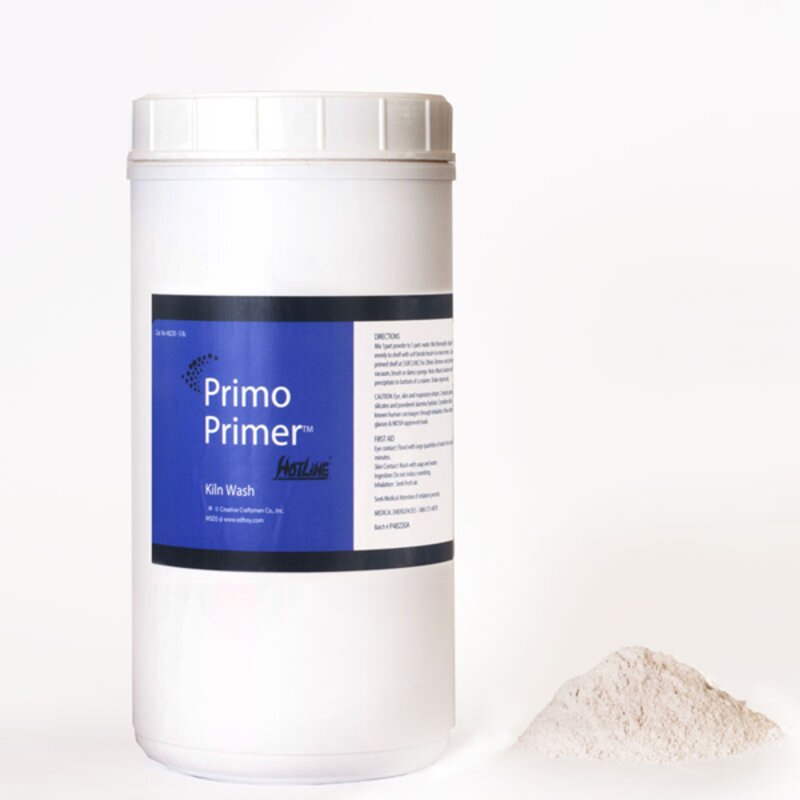
Kiln wash for glass is a crucial component in achieving perfect firing results. It’s a specialized coating applied to the kiln shelves to prevent glass from sticking and to ensure smooth and efficient firing processes. A well-applied kiln wash can make all the difference in the quality of the final product. With the right techniques and materials, glass artists can achieve professional-grade results, and that’s exactly what we’ll be covering in this article.
The Importance of Kiln Wash
Kiln wash serves several purposes. Firstly, it prevents glass from sticking to the kiln shelves, which can cause damage to the glass and the equipment. Secondly, it ensures that the glass is evenly heated, reducing the risk of thermal shock and other firing-related issues. By using a high-quality kiln wash, artists can achieve consistent results and minimize the risk of costly mistakes.
- Prevents glass from sticking to the kiln shelves
- Ensures even heating and reduces thermal shock
- Minimizes the risk of costly mistakes
Choosing the Right Kiln Wash
With so many options available, selecting the right kiln wash can be overwhelming. However, by considering a few key factors, artists can make an informed decision. Firstly, they should consider the type of glass they’re working with and the specific firing requirements. Secondly, they should look for a kiln wash that’s specifically designed for their needs, such as a kiln wash for art glass kilns or a kiln wash for ceramics.
Discover expert strategies here for choosing the right kiln wash for your specific needs. By doing so, you’ll be able to achieve the best possible results and minimize the risk of costly mistakes.
Preparing the Kiln Shelves
Before applying the kiln wash, it’s essential to prepare the kiln shelves. This involves cleaning the shelves thoroughly and ensuring they’re free from any debris or residue. A clean and smooth surface is crucial for achieving even heating and preventing glass from sticking.
Learn about our tailored solutions for kiln wash preparation and application. Our experts have put together a comprehensive guide that covers everything from preparation to application, ensuring you get the best possible results.
Applying the Kiln Wash
Applying the kiln wash is a straightforward process that requires attention to detail. Firstly, artists should apply a thin, even layer of kiln wash to the kiln shelves. Secondly, they should ensure the kiln wash is evenly distributed and free from any air pockets or bubbles. Finally, they should allow the kiln wash to dry completely before firing.
Find out more about this approach to kiln wash application and discover the benefits of using a high-quality kiln wash. By following these simple steps, artists can achieve professional-grade results and minimize the risk of costly mistakes.
Troubleshooting Common Issues
Even with the best preparation and application, issues can still arise. However, by being aware of common problems and knowing how to troubleshoot them, artists can minimize the risk of costly mistakes. Some common issues include glass sticking to the kiln shelves, uneven heating, and thermal shock.
Explore advanced guides and tips for troubleshooting common kiln wash issues. Our experts have put together a comprehensive guide that covers everything from common problems to solutions, ensuring you’re well-equipped to handle any issue that arises.
Conclusion
Kiln wash is an essential component in achieving perfect firing results. By choosing the right kiln wash, preparing the kiln shelves correctly, and applying the kiln wash evenly, artists can achieve professional-grade results and minimize the risk of costly mistakes. Remember to always follow the manufacturer’s instructions and take the time to prepare and apply the kiln wash correctly.
For more information on kiln wash and how to achieve perfect firing results, visit the kiln wash guide for expert strategies and tailored solutions.