
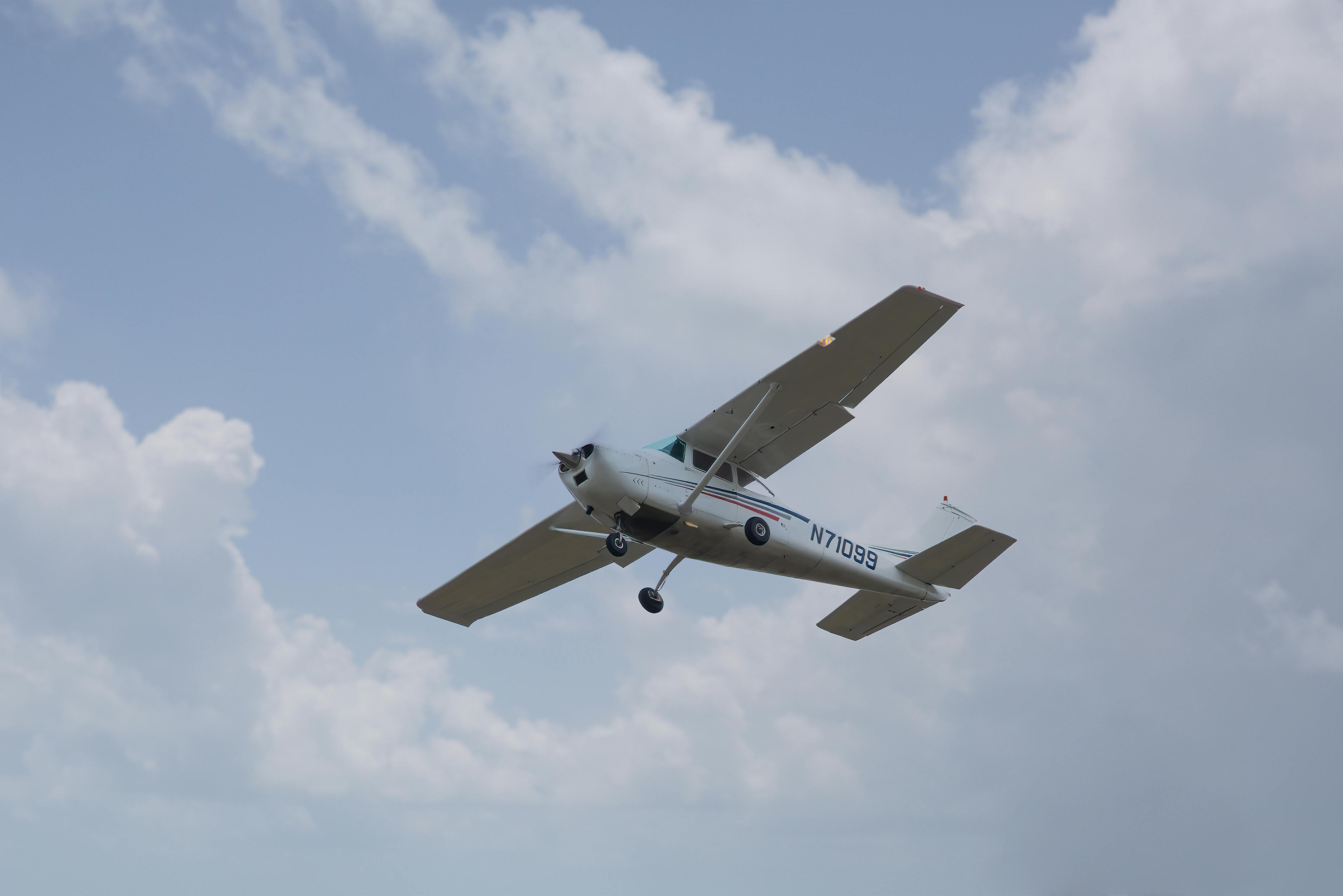
Flying is one of the most efficient modes of transportation, yet many individuals experience anxiety and fear when it comes to air travel. Understanding the necessity to address these concerns, a structured flying course can significantly aid in building confidence in the skies. Such courses are designed to help individuals overcome their fears by equipping them with knowledge and coping strategies. In this article, we will explore the benefits of enrolling in a flying course, the essential components of these programs, and how they can transform your flying experience.
Understanding the Need for a Flying Course
Fear of flying is a common issue that affects countless people worldwide. It stems from various factors, including:
- Lack of control over the aircraft’s operation.
- Anxiety triggered by turbulence and other flight sensations.
- Negative past experiences or media influences.
- Claustrophobia or fear of enclosed spaces.
Addressing these fears is crucial, as they can hinder travel plans and limit personal and professional opportunities. Learn more in this detailed guide about the psychological aspects of flight anxiety and how a flying course can help manage them effectively.
Components of an Effective Flying Course
Educational Modules
An effective flying course typically includes comprehensive educational modules that cover:
- Understanding aviation fundamentals and how planes operate.
- Insights into weather patterns and their impact on flights.
- Safety procedures and statistics that highlight air travel’s reliability.
These modules aim to demystify the flying process, making it less intimidating for participants. Read more about this topic to see how knowledge can empower individuals to overcome their fears.
Practical Experience
Hands-on experience is a vital component of any flying course. Participants often get to:
- Tour aircraft and understand their features and safety mechanisms.
- Engage in flight simulations to experience and manage flight scenarios.
- Participate in guided flights with professionals to build real-world experience.
These activities are designed to familiarize participants with the flying environment, thereby reducing anxiety. Explore further insights here on how practical experience can transform one’s perception of flying.
Benefits of Taking a Flying Course
Enrolling in a flying course offers several benefits, including:
- Increased understanding and control, which reduces anxiety.
- Enhanced ability to enjoy travel without fear-induced limitations.
- Development of effective coping strategies to manage stress.
- Greater confidence and independence in personal and professional life.
Through structured learning and exposure, participants can significantly enhance their comfort and confidence levels in the skies. Find additional information here on the personal growth experienced by course participants.
Conclusion
For those who find flying a daunting experience, a structured flying course offers a pathway to confidence and freedom. By addressing the root causes of flight anxiety and providing practical tools and experiences, these courses empower individuals to embrace air travel with assurance. Whether for personal growth or professional necessity, overcoming fear of flying opens up a world of opportunities. Consider investing in a flying course to transform your travel experience and soar into the skies with confidence.