
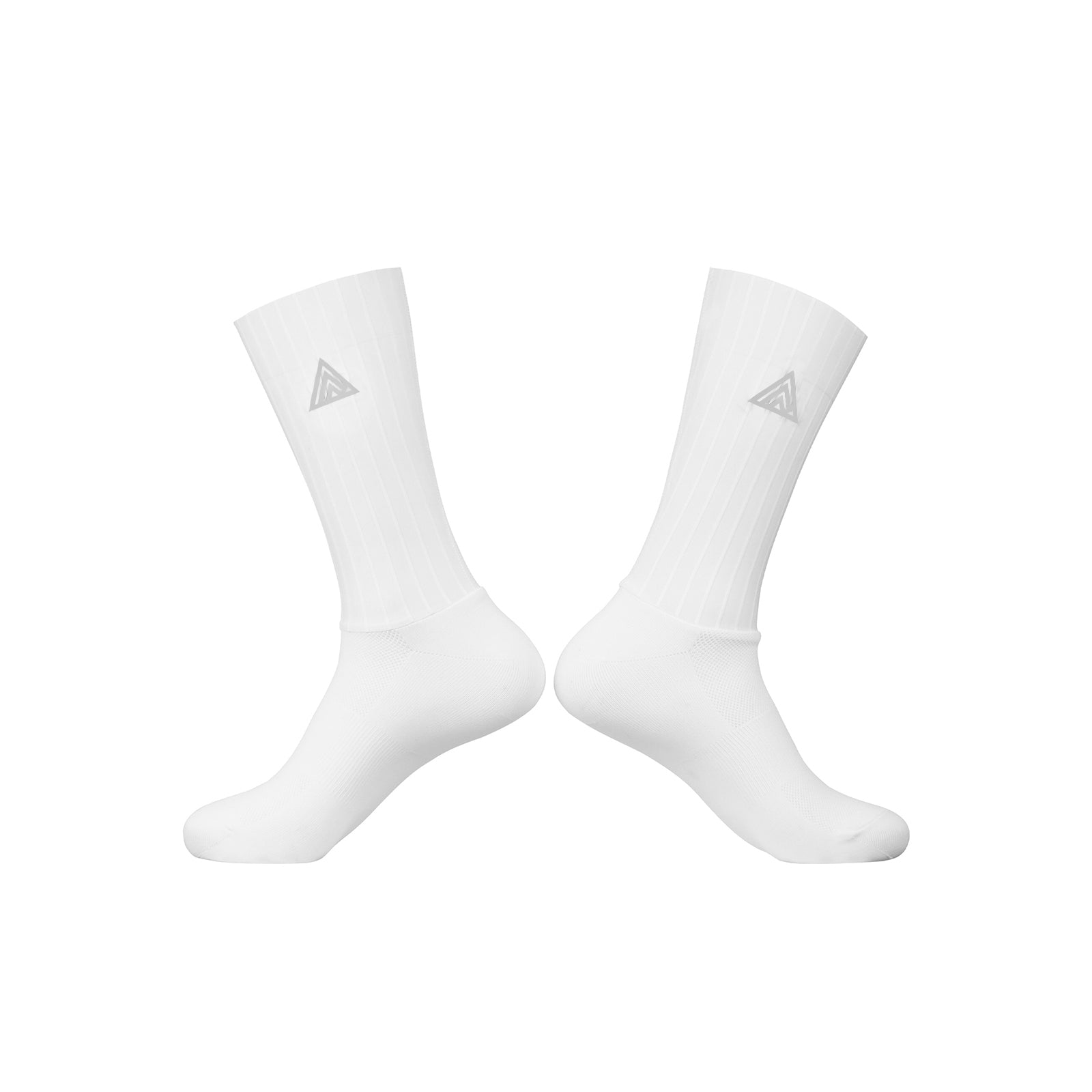
Cycling overshoes are essential for protecting feet from the elements, enhancing aerodynamics, and improving overall ride efficiency. Like any high-performance gear, they demand regular care to retain their waterproof qualities, flexibility, and safety features. By following a systematic maintenance routine, cyclists can extend the lifespan of their overshoes, avoid costly replacements, and ensure consistent performance on every outing.
Why Proper Maintenance Matters
Neglecting overshoe upkeep can lead to reduced water resistance, cracked seams, and diminished grip on the pedal. Over time, these issues not only compromise comfort but also increase the risk of slips, especially in wet conditions. A well-maintained pair preserves the engineered fit and aerodynamic profile that premium brands invest in, keeping the rider’s focus on the road rather than on equipment failures.
Routine Cleaning Procedures
Step-by-Step Daily Care
- Remove debris: After each ride, gently brush off mud, sand, and grit with a soft nylon brush.
- Air-dry: Hang the overshoes in a well-ventilated area away from direct sunlight to prevent material warping.
- Spot-clean stains: Use a damp cloth with a mild, non-abrasive soap. Avoid harsh detergents that can break down waterproof membranes.
Deep Cleaning (Weekly or Bi-Weekly)
- Fill a basin with lukewarm water and add a specialized technical fabric cleaner.
- Submerge the overshoes for no more than 10 minutes, gently agitating to release embedded dirt.
- Rinse thoroughly with clean water to eliminate any soap residue.
- Pat dry with a microfiber towel and allow them to air-dry completely before storage.
For detailed product-specific cleaning guidelines, Discover expert strategies here.
Storage Best Practices
- Cool, dry environment: Store overshoes in a climate-controlled space to prevent mold and material degradation.
- Maintain shape: Use a shoe tree or loosely roll a soft towel inside to preserve the toe box structure.
- Avoid compression: Do not stack heavy items on top of the overshoes, as prolonged pressure can flatten seams.
Inspecting for Wear and Damage
Regular visual checks help catch problems before they affect performance. Pay special attention to the following areas:
- Seam integrity: Look for fraying or separation that could let water in.
- Rubber tread: Ensure the grip pattern remains intact; worn treads reduce pedal traction.
- Velcro and closures: Verify that fasteners latch securely and that the hook side is free of lint.
- Waterproof membrane: Perform a simple water test by sprinkling a few drops inside; the material should repel moisture.
If any of these components show signs of deterioration, consider professional repair or replacement. For a curated selection of durable overshoes with reinforced construction, Learn about our tailored solutions.
Re-Waterproofing Techniques
Even the best-engineered overshoes lose their water-repellent coating over time. Re-applying a waterproofing spray restores performance:
- Clean and fully dry the overshoes.
- Apply a thin, even layer of silicone-based spray to the exterior, avoiding the interior lining.
- Allow the product to cure for the manufacturer-recommended period, typically 24 hours.
Regular re-waterproofing, combined with proper cleaning, keeps the gear ready for rainy rides. For more advanced maintenance advice, Explore advanced guides and tips.
Maintaining Pedal Compatibility
Overshoes must work seamlessly with clipless or flat pedals. Follow these steps to preserve the interface:
- Check that the cleat recess aligns correctly; misalignment can cause premature wear on the shoe’s sole.
- Lubricate cleat contact points with a light, non-sticky lubricant to reduce friction.
- Replace worn cleats promptly to avoid excessive pressure on the overshoe material.
Seasonal Considerations
Different weather conditions place unique stresses on overshoes. Adjust your maintenance schedule accordingly:
- Winter: Increase frequency of waterproofing and inspect for ice-induced cracks.
- Spring: Focus on mold prevention by ensuring thorough drying after wet rides.
- Summer: Monitor for UV-related fading; store in a shaded area when not in use.
- Autumn: Perform a comprehensive inspection before the rainy season begins.
When to Replace Your Overshoes
Even with diligent care, overshoes have a finite service life. Replace them when you notice any of the following:
- Persistent water leakage despite re-waterproofing.
- Severe seam separation that cannot be stitched.
- Significant loss of grip on the pedal tread.
- Uncomfortable fit due to stretched fabric or broken closures.
Choosing a new pair that matches the rider’s biomechanics and riding style ensures continued safety and performance. To compare the latest models designed for longevity, Find out more about this approach.
Conclusion
Effective overshoe maintenance is a blend of routine cleaning, careful storage, regular inspections, and timely re-waterproofing. By integrating these practices into a regular cycling regimen, riders protect their investment, maintain optimal safety, and enjoy consistent performance across all conditions. A disciplined approach to care not only extends the functional life of the overshoes but also reinforces the confidence needed to tackle any route, rain or shine.