
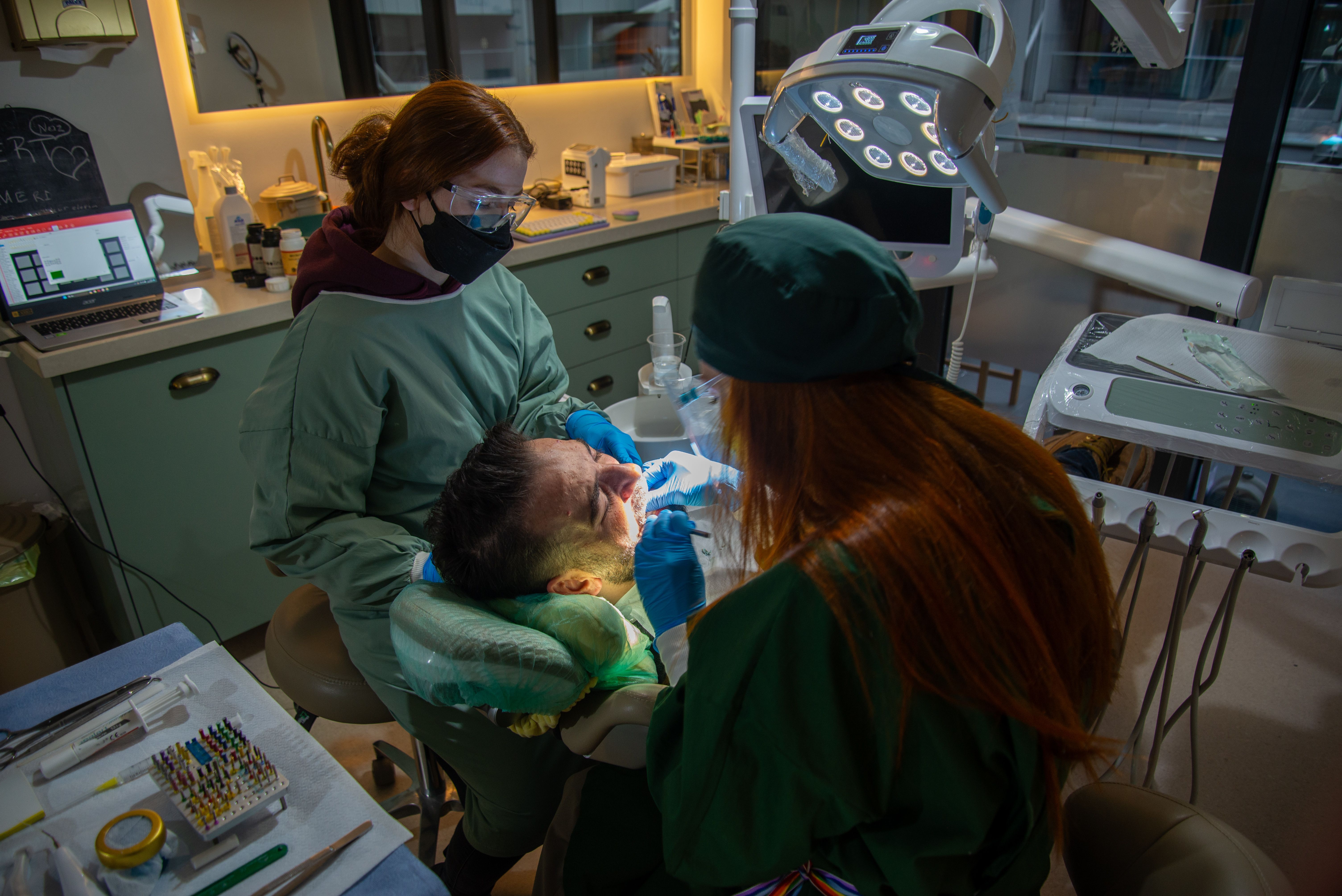
Gum disease, also known as periodontal disease, is a common yet serious condition affecting millions worldwide. It encompasses a range of oral health issues, from gingivitis, a mild inflammation of the gums, to periodontitis, a severe condition that can lead to tooth loss. Understanding the various treatment options available is crucial for effectively managing and preventing the progression of gum disease. This article delves into these treatment options, exploring their benefits and implications for oral health.
Understanding Gum Disease
Gum disease develops as a result of plaque accumulation on teeth and gums. This sticky film of bacteria, if not removed through regular brushing and flossing, can harden into tartar, further irritating the gums and causing inflammation.
Common Symptoms
- Red, swollen, or tender gums
- Bleeding during brushing or flossing
- Receding gums or longer appearing teeth
- Persistent bad breath
- Loose or shifting teeth
Recognizing these symptoms early and seeking professional help can prevent the progression of gum disease. For more detailed information on symptoms and early intervention strategies, read more about this topic.
Treatment Options for Gum Disease
There are several treatment methods tailored to the severity of the gum disease. Below is an exploration of these options:
Non-Surgical Treatments
Professional Dental Cleaning
- Removal of plaque and tartar above and below the gum line.
- Routine cleanings can prevent gum disease from developing.
Scaling and Root Planing
- Deep-cleaning procedure performed under local anesthesia.
- Removes tartar and bacteria from tooth surfaces and beneath gums.
- Smooths root surfaces to discourage further bacterial buildup.
These non-surgical approaches can be effective in managing early stages of gum disease. Learn more in this detailed guide on how these treatments work and their benefits.
Surgical Treatments
Flap Surgery
- Involves lifting back the gums to remove tartar deposits.
- Reduces pocket depth, making it easier to keep areas clean.
Bone and Tissue Grafts
- Bone grafts stimulate bone regrowth in areas destroyed by periodontitis.
- Soft tissue grafts reinforce thin gums or fill gum line gaps.
Surgical treatments are typically considered when gum disease has advanced significantly. For those seeking to explore these options, explore further insights here.
Preventive Measures
Prevention is key in combating gum disease. Incorporating effective oral hygiene practices and regular dental check-ups can significantly reduce the risk of developing gum disease.
- Brush teeth at least twice a day with fluoride toothpaste.
- Floss daily to remove plaque from between teeth.
- Use an antibacterial mouthwash to reduce bacteria.
- Schedule regular dental visits for professional cleanings and check-ups.
For a comprehensive understanding of preventive strategies, find additional information here.
Conclusion
Gum disease is a prevalent condition that requires timely intervention to prevent severe consequences. With a range of treatment options available, individuals can work with dental professionals to choose the best approach for their condition. Whether through non-surgical or surgical means, addressing gum disease can significantly enhance oral health and overall well-being. By staying informed and proactive, individuals can manage gum disease effectively and maintain a healthy smile for years to come.