
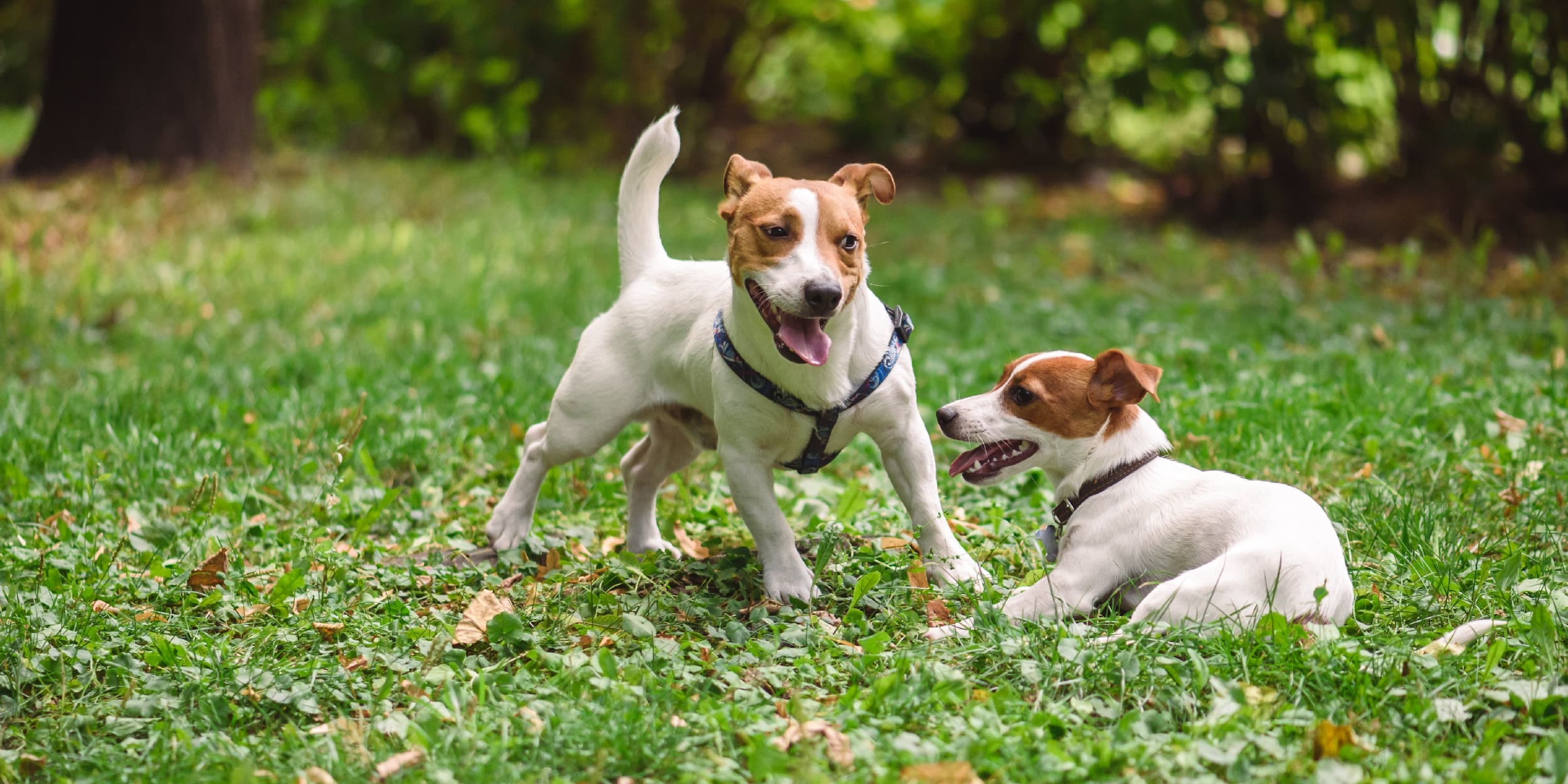
Creating a safe environment for your furry friend is a top priority for any dog owner. Whether you’re a seasoned pet parent or a new adopter, ensuring your puppy’s well-being is crucial for their development and happiness. A safe and stimulating environment is essential for your puppy’s physical and mental growth, and it’s where they will spend most of their time.
Understanding Puppy Play Care
Puppy play care is a critical aspect of a dog’s upbringing. It’s not just about providing a safe space for your puppy to play, but also about creating an environment that fosters their physical and mental development. A well-designed play area can help prevent injuries, reduce stress, and promote healthy behavior. When it comes to puppy play care, it’s essential to consider your puppy’s age, breed, and individual needs.
Designing a Safe Play Area
When designing a safe play area for your puppy, there are several factors to consider. Firstly, ensure the area is free from any hazards, such as toxic substances, electrical cords, or sharp objects. Next, consider the flooring – a soft, cushioned surface is ideal for puppies, as it can help reduce the impact of falls. You should also provide adequate ventilation and lighting to prevent overheating and eye strain.
Some essential items to include in your puppy’s play area are:
- A comfortable bed or crate for rest and relaxation
- A variety of toys and chews to stimulate their mind and body
- A secure fence or barrier to prevent escape and injury
- A designated area for feeding and water
Supervising and Monitoring Your Puppy’s Play
Supervising and monitoring your puppy’s play is crucial to ensure their safety and well-being. Puppies can be prone to accidents, especially during periods of rapid growth and development. Regular supervision can help prevent injuries and identify any potential health issues early on.
When it comes to monitoring your puppy’s play, it’s essential to be aware of any signs of fatigue, stress, or discomfort. These can include:
- Panting or rapid breathing
- Whining or whimpering
- Refusal to play or engage in activities
If you notice any of these signs, it’s essential to intervene and provide your puppy with a break or a change of environment.
Seeking Expert Advice
While this article provides valuable information on creating a safe environment for your puppy, it’s always best to consult with a veterinarian or a professional dog trainer for personalized advice. They can provide you with tailored guidance on puppy play care, based on your puppy’s individual needs and circumstances.
For more information on puppy care and development, check out the resources available on our website, including our comprehensive guide to puppy play care.
By following these tips and seeking expert advice, you can create a safe and stimulating environment for your puppy to thrive in. Remember to always prioritize your puppy’s well-being and take regular breaks to ensure their safety and happiness.
Check out customer reviews here: https://goo.gl/maps/kgFVwMz1ZTEx7x928 to see what others are saying about our services.
When it comes to puppy play care, it’s essential to remember that every puppy is unique, and their needs will vary depending on their age, breed, and individual characteristics. By understanding and catering to these needs, you can create a safe and happy environment for your furry friend to grow and develop.