
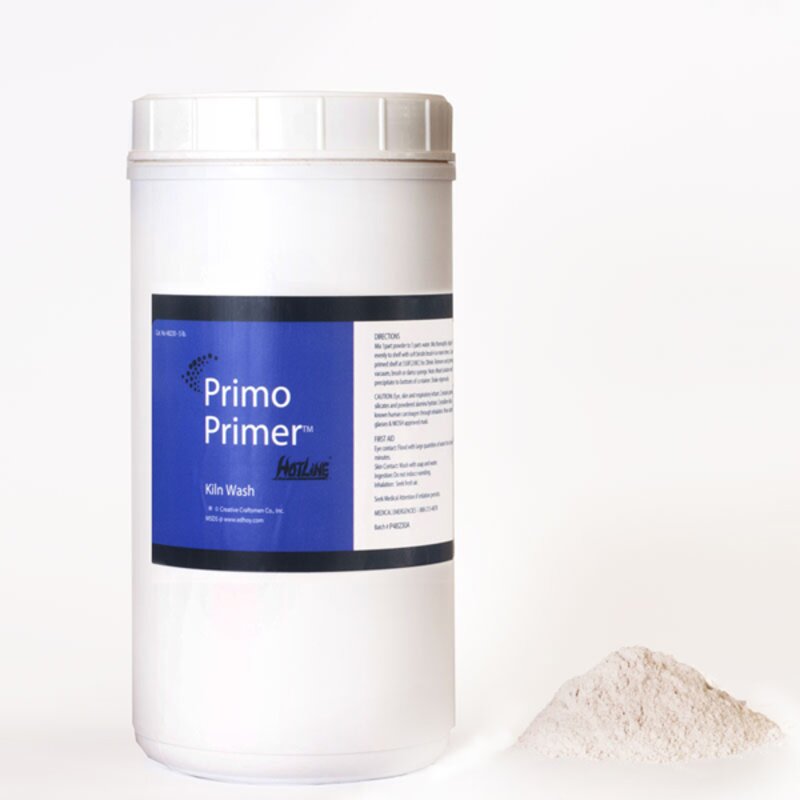
For glass artisans, mastering kiln wash techniques is an integral part of ensuring both the quality and longevity of their artwork. Kiln wash serves as a protective barrier between the glass and the kiln shelf, preventing the glass from sticking. This essential process not only preserves the integrity of the kiln but also ensures that the final product emerges flawless. Through proper application and choice of the right kiln wash, artisans can enhance their creative process and avoid common pitfalls associated with glass fusing and slumping. Understanding the nuances of kiln wash techniques can significantly elevate an artisan’s skillset, leading to more successful and innovative glass projects.
The Importance of Kiln Wash
Kiln wash is a crucial component in glass art, acting as a shield for kiln shelves. It is typically a mixture of materials such as kaolin and alumina hydrate, designed to withstand high temperatures and prevent glass from adhering to the kiln’s surface. Here are the primary reasons why kiln wash is indispensable:
- Prevents damage to kiln shelves by acting as a barrier.
- Ensures clean removal of glass pieces without chipping or cracking.
- Extends the lifespan of kiln shelves and molds.
- Facilitates smooth creative processes by reducing potential setbacks.
For more detailed insights, find out more about this approach.
Choosing the Right Kiln Wash
Selecting the appropriate kiln wash is pivotal. Different types of kiln wash cater to various needs and materials, and the choice depends on the specific requirements of the project. Key considerations include:
- Type of Glass: Determine whether the glass is compatible with the kiln wash to avoid chemical reactions.
- Temperature Range: Ensure the kiln wash can withstand the firing temperatures of the project.
- Application Method: Some kiln washes are better suited for brushing, while others are optimal for spraying.
To discover expert strategies here, consider the comprehensive guides available for artisans.
Application Techniques
Proper application of kiln wash is as important as the selection. Here is a step-by-step guide on applying kiln wash effectively:
- Preparation: Clean the kiln shelves thoroughly to remove any debris or previous kiln wash residues.
- Mixing: Follow the manufacturer’s instructions for mixing kiln wash to achieve the right consistency.
- Application: Use a soft brush or spray bottle, applying even coats. It is advisable to apply multiple thin layers rather than a single thick one.
- Drying: Allow each layer to dry completely before applying the next one to prevent cracking.
For advanced techniques and tips, explore advanced guides and tips suited for various glass art forms.
Maintenance and Reapplication
Regular maintenance of kiln wash is crucial to ensure its effectiveness. Over time, kiln wash can wear down due to repeated firings. Here are maintenance tips to follow:
- Inspect: Regularly check kiln shelves for any wear or peeling of kiln wash.
- Reapply: Reapply kiln wash as needed, especially if discoloration or flaking is noticed.
- Cleaning: Before each reapplication, thoroughly clean the shelves to remove any old kiln wash or glass fragments.
To learn about our tailored solutions for maintaining kiln wash integrity, delve into expert advice available to artisans.
Conclusion
Mastering kiln wash techniques is a vital skill for glass artisans, directly impacting the quality and durability of their creations. By understanding the importance of kiln wash, selecting the appropriate type, applying it correctly, and maintaining it diligently, artisans can significantly enhance their artistic endeavors. For those seeking to refine their techniques and elevate their craft, resources such as Explore advanced guides and tips provide invaluable insights into the world of kiln wash and its applications.