
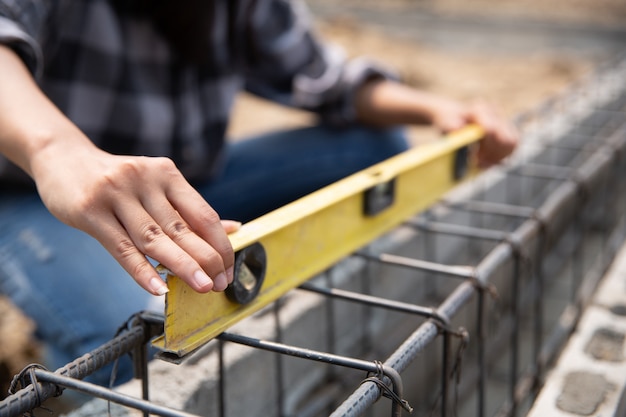
When a property’s terrain demands support, a well-designed retaining wall becomes essential. Selecting the right retaining wall contractor can mean the difference between a durable, aesthetically pleasing structure and costly repairs down the line. This guide walks you through the critical factors to consider, the questions to ask, and the red flags to avoid, ensuring you find the best “near me” professional for your project.
Why Choosing the Right Contractor Matters
Retaining walls endure soil pressure, water infiltration, and temperature fluctuations. A skilled contractor brings:
- Engineering expertise to calculate load-bearing requirements.
- Knowledge of local building codes and permitting processes.
- Experience with a variety of materials, concrete, stone, timber, and modular blocks.
- Access to quality workmanship that extends the wall’s lifespan.
Key Criteria for Evaluating Retaining Wall Contractors
1. Licensing and Insurance
Verify that the contractor holds a valid state license for structural work and carries comprehensive liability insurance. This protects you from potential legal and financial complications if an accident occurs on site.
2. Portfolio and Experience
Review past projects to gauge the contractor’s proficiency with the specific type of wall you need. A robust portfolio demonstrates consistency and adaptability across different site conditions.
3. Material Knowledge
Understanding the pros and cons of various materials is crucial. For example, concrete offers superior strength and low maintenance, while natural stone provides a timeless aesthetic. A contractor who can recommend the optimal material for your soil type and climate will save you time and money.
4. Transparent Pricing
Request a detailed, written estimate that breaks down labor, materials, excavation, drainage solutions, and any permit fees. Beware of vague “all-inclusive” quotes that may hide unexpected costs.
5. Communication and Professionalism
Prompt responses, clear explanations, and a willingness to answer technical questions reflect a contractor’s commitment to client satisfaction.
How to Research Local Contractors
Start with a focused online search using terms like “retaining wall contractors near me.” Narrow down the list by checking:
- Google Business Profile reviews, Check out customer reviews here.
- Industry certifications from organizations such as the Concrete Masonry Association.
- Local building department records for any past violations.
Questions to Ask During the Consultation
- What is your process for assessing soil stability and drainage needs?
- Can you provide a timeline from site preparation to final backfill?
- Do you handle permit acquisition, or is that the homeowner’s responsibility?
- What warranty do you offer on materials and workmanship?
- How do you manage unexpected site conditions that may affect the project scope?
Understanding Design and Engineering Options
Effective retaining walls incorporate proper drainage to prevent hydrostatic pressure buildup. Look for contractors who recommend:
- Weep holes or perforated pipe behind the wall.
- Geotextile fabric to separate soil layers.
- Reinforced concrete footings for added stability.
For a deeper dive into engineering considerations, Discover expert strategies here. This resource outlines best practices for wall design, material selection, and long-term maintenance.
Evaluating Proposals and Making the Final Decision
When comparing bids, focus on value rather than price alone. A lower cost may indicate shortcuts in material quality or insufficient site analysis. Consider the following checklist:
- Does the proposal include a detailed site survey?
- Are the recommended materials appropriate for local weather patterns?
- Is there a clear schedule with milestones?
- Does the contractor provide a written warranty?
- Are references or case studies included?
Additional Resources for Informed Choices
Beyond the contractor’s expertise, homeowners benefit from independent guides that explain the science behind retaining walls. Learn about our tailored solutions to understand how modern techniques can enhance structural integrity while blending with landscape design.
For ongoing maintenance tips and advanced troubleshooting, Explore advanced guides and tips. These articles cover topics such as crack inspection, vegetation control, and seasonal waterproofing.
Conclusion
Choosing the right retaining wall contractor involves diligent research, clear communication, and a focus on technical competence. By verifying licensing, reviewing past work, asking the right questions, and consulting reputable resources, homeowners can secure a durable, safe, and visually appealing retaining wall. Investing time upfront ensures a smoother construction process, minimizes future repair costs, and ultimately protects the value of the property.